Not having a matric certificate can feel like the end of the road, but it’s really just a detour. If you left school after Grade 9, 10, or 11, you still have highly viable options to further your education, build real-world skills, and secure a stable job.
TVET (Technical and Vocational Education and Training) colleges offer a practical, hands-on alternative to traditional high schools and universities. Instead of just sitting with theory, you learn by doing.
If you are ready to take charge of your future, here are seven solid TVET college courses you can apply for in 2025 no matric required:
1. Engineering Studies (N1–N3)
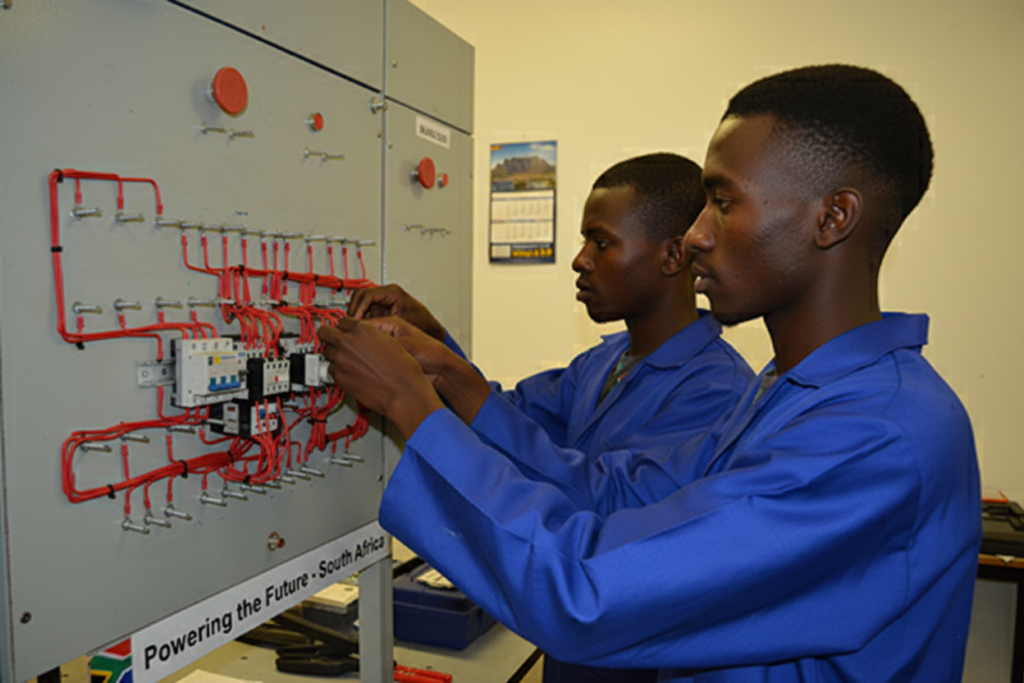
Engineering courses are consistently among the most popular choices at TVET colleges. If you have passed Grade 9 or 10, you can jump straight into the N1 level. These courses focus heavily on the fundamentals of machinery, electricity, and construction.
Popular specializations include:
- Electrical Engineering: Working with wiring, circuits, and electrical systems.
- Civil Engineering: Learning the backbone of building, construction, and infrastructure.
- Mechanical Engineering: Getting hands-on with engines, tools, and heavy machinery.
Career Path: Ideal for those who love problem-solving and working with their hands. After completing N3, you can advance your studies or step directly into high-demand apprenticeships for trades like welding, fitting and turning, or plumbing.
2. Hospitality (NC(V) Levels 2–4)
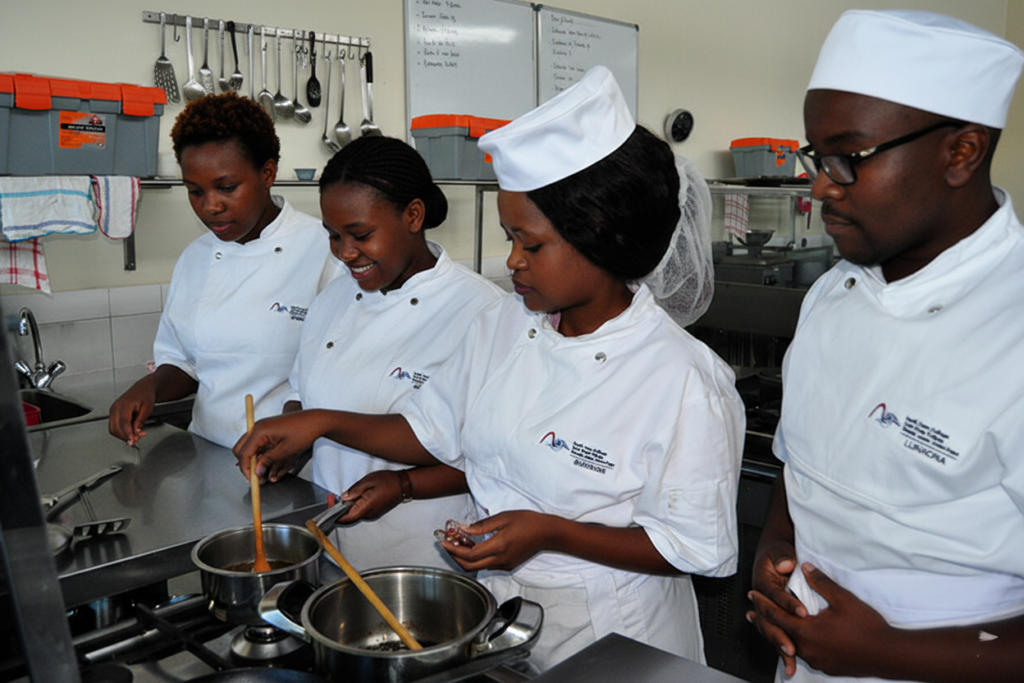
If you thrive in fast-paced environments and are interested in the booming hotel, tourism, or food industry, the National Certificate (Vocational) in Hospitality is a fantastic choice. You can enter this program directly with a Grade 9 pass.
Core skills you will learn:
- Cooking and Food Preparation: From kitchen safety basics to full culinary execution.
- Front Office Management: How to professionally welcome and serve guests.
- Housekeeping and Catering: The essential skills needed to run events and daily hospitality operations.
Career Path: Because this course is incredibly hands-on (often utilizing mock hotel setups and industrial college kitchens), you will graduate with the real-world confidence needed to work in restaurants, hotels, or catering businesses.
3. Information Technology (NC(V) Levels 2–4)

Technology runs the modern world, and you don’t need to be a pre-existing “tech genius” or have a matric to start a career in IT. This program builds your knowledge from the ground up.
Core skills you will learn:
- Computer Applications: Mastering Microsoft Office and essential business programs.
- Networking: Understanding how computers connect, communicate, and share information securely.
- Database Basics: Learning how vital data is stored and managed.
Career Path: Graduates often start as IT support staff, junior technicians, or data capturers. It’s also the perfect launchpad if you want to specialize later in coding, cybersecurity, or systems development.
4. Office Administration (NC(V) Levels 2–4)
Every single business—from small startups to massive corporations—needs capable administrative staff to keep things running smoothly.
Core skills you will learn:
- Business Communication: Writing professional emails, letters, and corporate reports.
- Customer Relations: Effectively managing client and colleague interactions.
- Office Practice: Mastering record keeping, filing, and daily organizational tasks.
Career Path: You will be well-equipped to step into roles like secretary, receptionist, admin clerk, or office assistant in almost any industry.
5. Primary Agriculture (NC(V) Levels 2–4)
Agriculture is a massive, vital industry in South Africa. If you have a passion for nature, farming, plants, or animals, TVET colleges can train you to turn that passion into a livelihood.
Core skills you will learn:
- Crop Production: The science and practice of growing vegetables, maize, and cash crops.
- Animal Production: Caring for and managing cattle, poultry, or small livestock.
- Farm Management Basics: The business side of running a profitable agricultural enterprise.
Career Path: By mixing classroom theory with actual farm work, you graduate ready to work for agribusiness companies, commercial farms, or even start your own small-scale agricultural venture.
6. Safety in Society (NC(V) Levels 2–4)
If you feel a calling toward law enforcement, community policing, or security, this course provides a strong foundational introduction to the sector.
Core skills you will learn:
- Safety Procedures: Tactics to keep communities and workplaces secure.
- Criminal Justice Basics: A working understanding of the South African legal system.
- First Aid and Fire Safety: Crucial emergency response and life-saving training.
Career Path: While it doesn’t immediately make you a police officer, it opens doors to private security companies, community safety projects, and further specialized studies in law enforcement.
7. Civil Engineering and Construction (NC(V) Levels 2–4)
Construction remains one of the fastest-growing industries in the country. This highly practical course teaches you how the world around us is built, starting from the foundation up.
Core skills you will learn:
- Bricklaying and Masonry: The physical construction of walls and building structures.
- Plumbing Basics: Installing and maintaining water systems, pipes, and sanitation.
- Construction Materials: Understanding how to properly utilize tools and building resources safely.
Career Path: You will spend a lot of time on real, practical projects, making it much easier to secure employment on construction sites or alongside independent contractors upon graduation.
